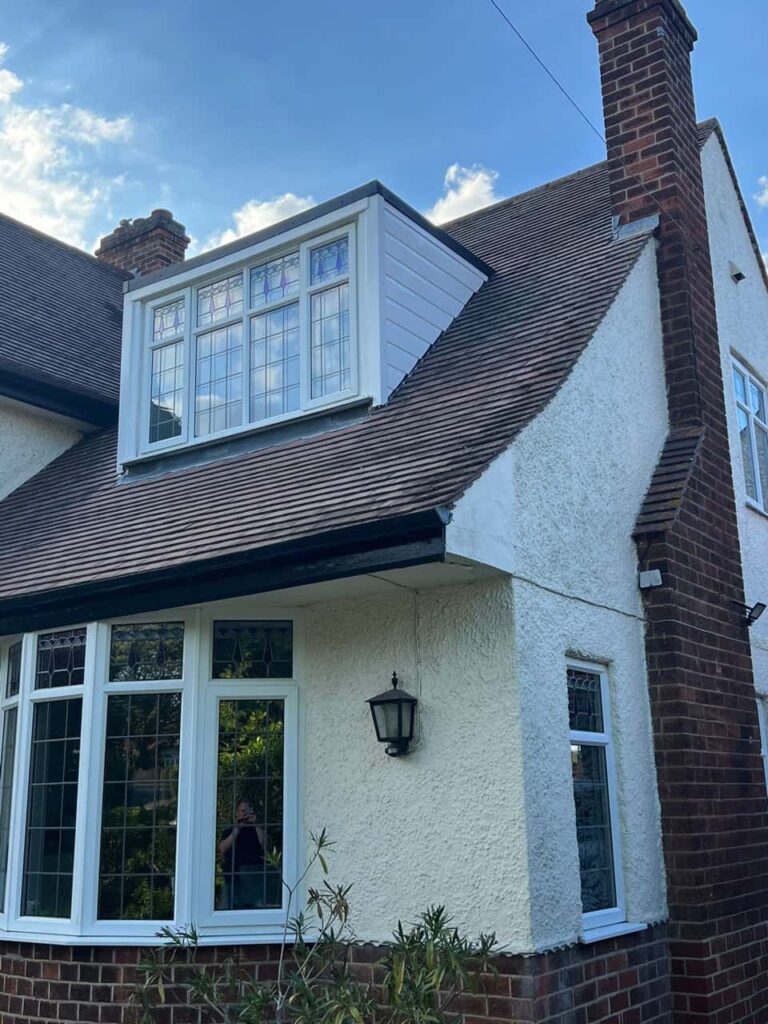
A roof’s external covering provides the first line of defence against rain and changing weather conditions, but the materials beneath it are equally important. Roof underlay acts as an additional protective layer, helping prevent wind-driven rain, dust and moisture from reaching the roof space. When this material becomes damaged, deteriorates or loses its effectiveness, water can enter areas that may not be immediately visible from inside the property.
For homeowners in Burgess Hill, West Sussex, understanding the condition of roof underlay is an important part of maintaining a reliable roofing system. Damage beneath the tiles or slates can develop gradually, making professional roof inspections particularly valuable when investigating unexplained dampness or recurring leaks.
What Is Roof Underlay and Why Is It Important?
Roof underlay is a protective membrane installed beneath the external roof covering, usually supported by the roof structure and positioned beneath the battens. It provides a secondary barrier against moisture that passes beneath tiles or slates.
Although roof tiles and slates are designed to shed rainwater, wind-driven rain and fine moisture can sometimes penetrate the outer covering. The underlay helps direct this moisture towards the eaves, where it can drain safely into the guttering.
It also helps protect the roof space from dust and debris entering through small gaps in the external covering.
When the underlay is intact and correctly installed, it contributes to the overall weather resistance of the roof. However, if it becomes torn, brittle or displaced, its ability to provide this additional protection can be significantly reduced.
How Damaged Underlay Allows Hidden Water Ingress
One of the main problems with damaged roof underlay is that the issue can remain hidden beneath the tiles or slates. From ground level, the roof may appear to be in reasonable condition, even when the protective membrane underneath has started to deteriorate.
Water entering through gaps in the external covering may pass through damaged sections of underlay and reach the roof timbers, insulation or internal ceiling areas.
Common causes of underlay damage include:
- Age-related deterioration that makes the membrane brittle.
- Tears or punctures caused during previous roofing work.
- Poor installation or incorrectly positioned sections.
- Movement around roof junctions and structural connections.
- Deterioration caused by prolonged exposure to moisture.
These defects can allow water to enter the roof space repeatedly, particularly during periods of persistent rainfall or strong winds.
Signs That Damaged Roof Underlay May Be Causing Problems
Because underlay is concealed beneath the main roof covering, identifying damage can be difficult without a closer inspection. However, certain warning signs may indicate that moisture is entering the roof space.
Look out for:
- Damp patches appearing on ceilings or upper walls.
- Water staining around roof timbers.
- Insulation that feels damp or shows signs of moisture.
- A musty smell developing within the loft.
- Dripping water during or shortly after rainfall.
- Repeated leaks despite previous repairs to individual tiles.
These symptoms do not automatically mean the underlay is damaged. Defective flashing, broken tiles, blocked drainage and other roofing problems can produce similar signs.
A professional inspection helps identify the actual source of the moisture rather than relying on visible symptoms alone.
The Effect of Water Ingress on Roof Timbers and Insulation
When moisture passes through damaged underlay, it can affect several important parts of the roof structure.
Roof battens and supporting timbers may become damp through repeated exposure. If moisture is allowed to remain for extended periods, it can encourage timber decay and weaken components that help support the roof covering.
Insulation can also be affected. Wet or compressed insulation may become less effective at reducing heat loss, while prolonged dampness can contribute to condensation and unpleasant odours within the loft.
Addressing water ingress early helps prevent these problems from developing into more extensive roofing defects.
Why Roof Inspections Are Important for Finding Hidden Defects
A roof inspection provides an opportunity to examine both the external covering and accessible parts of the roof structure. While damaged tiles and defective flashing may be visible from outside, underlay problems often require a closer assessment from within the loft or during roofing work.
A roofing specialist can look for tears, sagging sections, deteriorated membrane and signs of water tracking along the underside of the roof.
It is also important to assess the condition of the surrounding components, including battens, roof timbers, flashing and ventilation arrangements.
For properties in Burgess Hill, West Sussex, regular roof inspections can help identify developing problems before they cause more significant internal damage.
Repairing or Replacing Damaged Roof Underlay
The appropriate repair will depend on the extent and location of the damage. In some situations, a localised defect may be accessible and suitable for a targeted repair. However, widespread deterioration or an ageing membrane may require more extensive replacement work.
The external roof covering may need to be lifted to access the affected sections properly. During this process, the condition of the battens and surrounding roofing materials should also be checked.
Simply covering visible water stains inside the property will not resolve the underlying issue if moisture is still entering through the roof.
At Burgess Hill Roofing Repairs, identifying the source of water ingress is an important part of recommending effective roofing repairs. Addressing the underlying defect helps restore the roof’s protective performance and reduce the risk of recurring leaks.
Conclusion
Damaged roof underlay can contribute to hidden water ingress even when the external roof covering appears relatively sound. Tears, deterioration and installation defects can allow moisture to reach roof timbers, insulation and internal ceilings, potentially leading to more serious problems if left untreated.
Understanding the warning signs and arranging a professional inspection can help identify the source of moisture and determine the most appropriate repair.
If you have noticed damp patches, unexplained leaks or signs of moisture in your loft, Burgess Hill Roofing Repairs can help assess your roof in Burgess Hill, West Sussex. Get in touch to arrange a professional roof inspection and discuss the most suitable solution for your property.
Call us on: 01444 711 397
Click here to find out more about Burgess Hill Roofing Repairs
Click here to complete our contact form and see how we can help with your roofing needs.