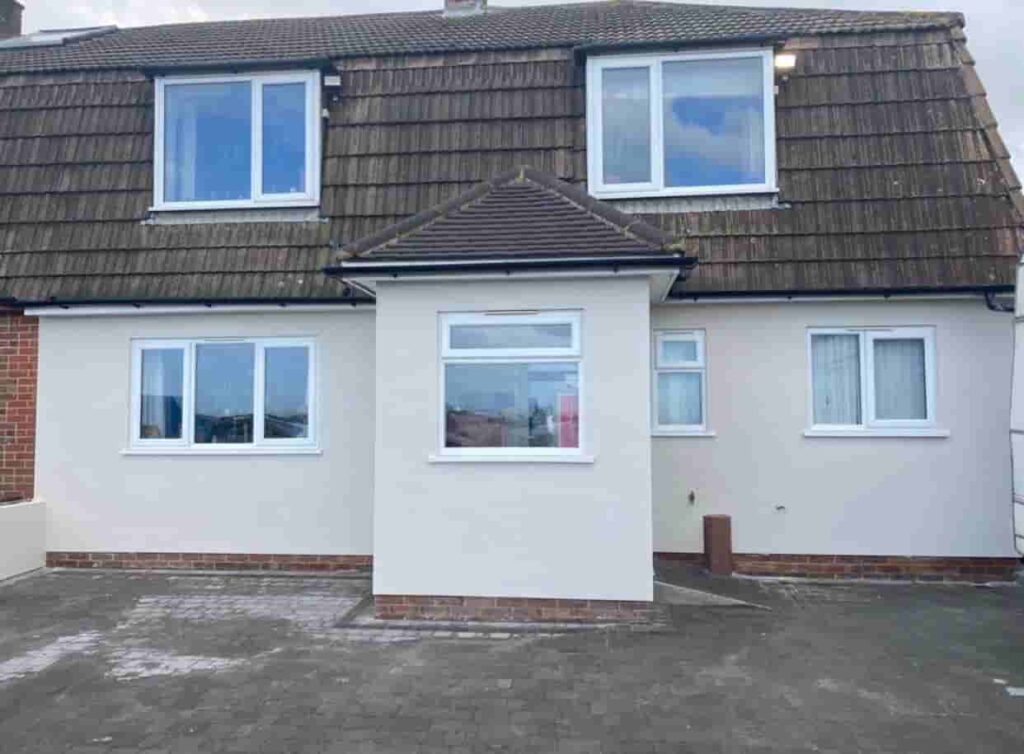
A single slipped roof tile may appear to be a minor defect, particularly when there is no visible leak inside the property. However, even one displaced tile can interrupt the overlapping barrier designed to direct rainwater safely down the roof.
For property owners in Burgess Hill, West Sussex, arranging an early inspection can prevent a small opening from becoming a route for repeated water ingress. The severity depends on the tile’s position, the condition of the underlay and the amount of exposure to wind-driven rain.
How One Slipped Tile Can Affect the Wider Roof
Tiles work together as a system. Each row overlaps the one beneath it so that rainwater flows towards the guttering without reaching the supporting layers below. When one tile moves, breaks or falls away, part of that protective arrangement is lost.
Rain Can Reach Beneath the Roof Covering
A slipped tile can expose the underlay, battens and fixings beneath the visible roof covering. Although the underlay provides secondary protection, it is not intended to act as the main weatherproof surface indefinitely.
If the underlay is already aged, torn or poorly supported, water may pass into the roof space. Even where it remains intact, repeated exposure can increase the risk of deterioration over time.
Wind-Driven Rain Can Enter a Small Gap
Water does not always fall vertically onto a roof. During windy conditions, rain can be forced sideways and upwards beneath overlapping materials.
A gap that looks insignificant from the ground may therefore admit more water than expected. The risk can be greater on exposed roof slopes and around vulnerable areas such as ridges, valleys, verges and roof junctions.
Water May Travel Before It Becomes Visible
The first internal damp mark may not appear directly below the slipped tile. Water can travel along the underlay, battens, rafters or other surfaces before dripping into the loft or reaching a ceiling.
This makes the entry point difficult to identify without a systematic inspection. A stain in one room could originate from a defect several metres away on the roof.
Concealed Materials May Become Damp
A roof leak can remain hidden while moisture affects materials inside the roof space. Insulation may absorb water, timber can remain damp and fixings may begin to deteriorate.
Potential warning signs include:
- Damp patches on rafters or other timbers
- Wet or compressed insulation
- Dark staining on the underlay
- A musty smell in the loft
- Water marks on ceilings or high walls
- Peeling paint or discoloured plaster
- Drips appearing during prolonged rain
By the time these symptoms become noticeable indoors, water may already have entered on several occasions.
Nearby Tiles Can Become Less Secure
A tile may slip because its fixing has failed, a supporting batten has weakened or the tile itself has cracked. These conditions may also affect neighbouring tiles.
The movement can expose edges to the wind, allowing adjacent tiles to lift or shift. What begins as one displaced tile can therefore develop into a larger vulnerable area if the underlying cause is not addressed.
The Location of the Tile Influences the Risk
Not every slipped tile creates the same level of exposure. A defect close to a valley, chimney, ridge or roof edge can affect an area already responsible for managing concentrated water flow.
The roof pitch, tile design and overlap also influence how readily rain reaches beneath the covering. This is why the seriousness of the problem cannot be judged solely by the size of the visible gap.
Why the Roof May Not Leak Immediately
A lack of internal water does not mean the roof is unaffected. The underlay may temporarily redirect moisture, or the weather may not yet have approached the opening from the direction needed to cause ingress.
The leak might only appear during:
- Wind-driven rain
- Long periods of steady rainfall
- Repeated wet weather
- A change in wind direction
- Further movement of the tile
- Deterioration of the exposed underlay
Waiting for a visible leak can allow a straightforward defect to affect a wider area.
What Should You Do After Spotting a Slipped Tile?
Avoid climbing onto the roof or trying to push the tile back into place from a ladder. Roof coverings can be slippery, and nearby tiles may be less secure than they appear.
From ground level, note the position of the defect and check for visible fragments, uneven tiles or changes around the guttering. If it is safe to do so, inspect the loft for dampness, staining or daylight entering through an unintended opening.
A professional roofer can then examine the tile and the surrounding area to determine:
- Why the tile moved
- Whether it can be refixed or needs replacing
- If nearby tiles and fixings remain secure
- Whether the battens or underlay are damaged
- If moisture has entered the roof space
- Whether another roof detail contributed to the problem
Addressing the cause is more reliable than simply returning the tile to its previous position.
Early Repair Helps Limit Further Deterioration
A single slipped tile is often a localised repair when identified promptly and the surrounding roof remains sound. The scope can become broader if water has affected the underlay, battens, insulation or internal finishes.
Timely inspection allows the condition to be established before another period of wet or windy weather places more pressure on the exposed area.
Conclusion
One slipped roof tile can lead to serious water damage because it creates an opening in the roof’s primary weatherproof covering. Rain may enter beneath the tiles, travel away from the original defect and affect concealed materials before a leak becomes visible indoors.
If you have noticed a slipped or displaced tile at your property in Burgess Hill, West Sussex, contact Burgess Hill Roofing Repairs to arrange an assessment. A professional inspection can identify the cause and determine the appropriate repair before the problem develops further.
Call us on: 01444 711 397
Click here to find out more about Burgess Hill Roofing Repairs
Click here to complete our contact form and see how we can help with your roofing needs.