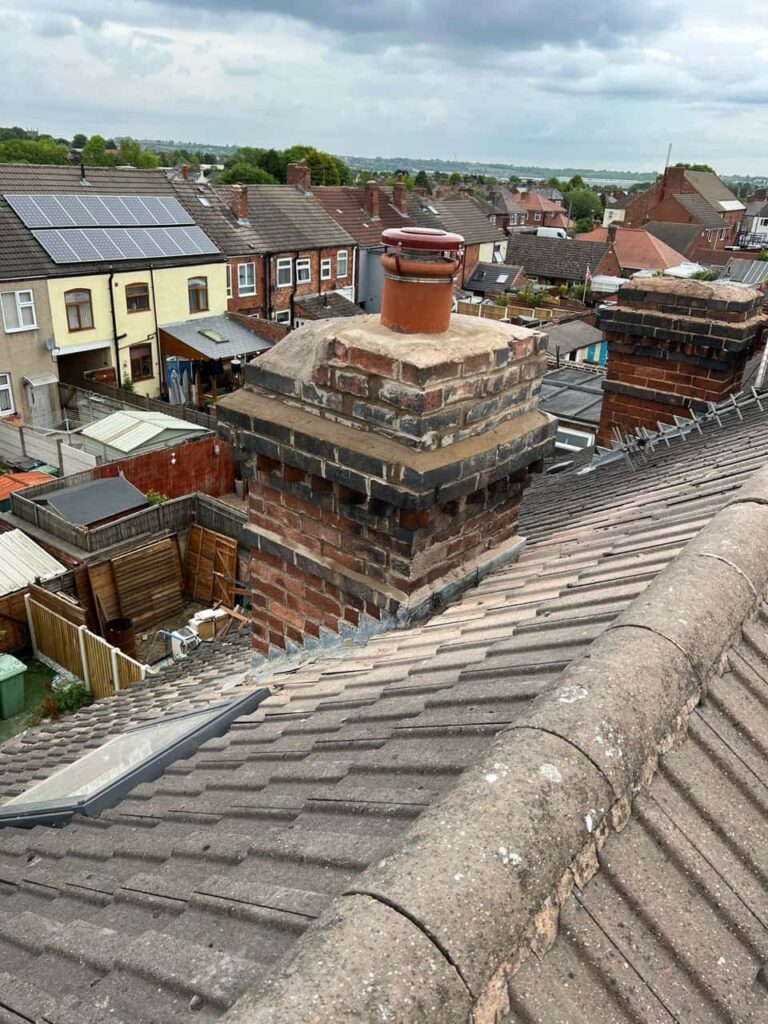
Felt roofing is a practical and reliable solution for many flat and low-pitched roofs, including garage roofs, extensions and outbuildings. However, constant exposure to rain, wind, temperature changes and sunlight can gradually affect its condition. Without timely maintenance, small defects can develop into leaks and more extensive roof damage.
For property owners in Burgess Hill, West Sussex, recognising the early signs of felt roofing problems can help prevent water ingress and protect the structure beneath the roof covering. Burgess Hill Roofing Repairs provides professional roofing support to help identify defects, carry out appropriate repairs and maintain the performance of felt roofs.
Common Felt Roofing Problems and How to Address Them
Understanding the warning signs of felt roof damage makes it easier to determine when maintenance or professional repairs may be necessary.
1. Cracked or Split Roofing Felt
Cracks and splits can develop as roofing felt ages. Repeated temperature changes cause materials to expand and contract, while prolonged exposure to sunlight can gradually reduce flexibility. Movement within the roof structure may also contribute to splitting.
Even a small crack can allow rainwater to penetrate the roofing layers, particularly during prolonged wet weather. If left untreated, moisture may reach the roof deck and cause further deterioration.
The appropriate repair depends on the extent of the damage. Minor defects may be suitable for localised repair, while widespread cracking or brittle felt may indicate that a larger section needs replacing. A professional inspection can establish the most effective solution.
2. Blisters and Bubbles Beneath the Felt
Blisters appear as raised areas beneath the roofing surface. They can form when air or moisture becomes trapped between layers during installation or as the roof deteriorates.
Although a blister may initially seem harmless, it can weaken the felt and become more vulnerable to damage. Walking on raised areas can also cause the material to split.
Avoid puncturing or cutting blisters without understanding their cause, as this may allow water to enter the roof. A roofing specialist can assess whether the affected area needs localised treatment or more extensive remedial work.
3. Loose Edges and Lifting Seams
Felt roofing relies on secure joints, edges and junctions to keep water out. Over time, wind exposure, ageing adhesives or poor adhesion can cause these areas to lift.
Loose felt is particularly vulnerable during strong winds and heavy rain. Once water gets beneath the covering, the damage can spread beyond the original defect.
Repairs usually involve preparing the affected surface and securing or renewing the damaged section using a suitable roofing system. Simply covering a loose edge without addressing the underlying problem may provide only a temporary improvement.
4. Persistent Leaks and Water Ingress
A leaking felt roof may produce damp patches on ceilings, discolouration, peeling paint or moisture around the edges of an extension or garage. However, the visible signs inside the building do not always correspond directly with the point where water enters the roof.
Water can travel beneath the felt before becoming noticeable indoors, making the source difficult to identify without a proper inspection.
Professional leak investigations examine vulnerable areas such as seams, roof edges, drainage outlets and junctions with walls. Identifying the actual entry point is essential for completing an effective repair rather than repeatedly treating the visible symptoms.
5. Poor Drainage and Standing Water
Flat roofs need suitable drainage to prevent water from accumulating for extended periods. Blocked outlets, inadequate falls or changes in the roof structure can contribute to standing water.
Persistent pooling places additional demands on the roofing system and may expose existing weaknesses for longer periods. Over time, this can increase the likelihood of leaks and material deterioration.
Keeping accessible drainage outlets clear can help maintain water flow. However, if pooling continues after basic maintenance, the roof may need professional assessment to identify drainage or structural issues.
6. When Should Felt Roofing Be Repaired or Replaced?
Not every felt roof problem requires complete replacement. Isolated splits, small areas of lifting and localised damage may be resolved through targeted repairs when the surrounding material remains in good condition.
However, extensive cracking, repeated leaks, widespread blistering or felt that has become brittle may indicate that the roof covering has reached the end of its useful life.
Applying a new layer over an existing roof without checking its condition can conceal underlying defects. A thorough assessment should consider the felt, roof deck, drainage and any signs of trapped moisture before deciding on the most appropriate approach.
Burgess Hill Roofing Repairs can help property owners in Burgess Hill understand the condition of their felt roofing and determine whether a localised repair or more comprehensive work is needed.
Why Professional Felt Roof Repairs Matter
Felt roofing repairs require more than covering visible damage. The condition of the existing material, the source of any moisture and the suitability of the repair method all affect the long-term result.
Professional roofers can identify defects that may be difficult to spot from ground level and recommend repairs suited to the roof’s condition. They can also check vulnerable details, including seams, edges and drainage points, where water ingress commonly begins.
Attempting to repair a flat roof without the correct materials, preparation or safety precautions can worsen the damage. Property owners should avoid walking on potentially weakened roofing and leave work at height to appropriately equipped professionals.
For homes and businesses in Burgess Hill, addressing defects promptly can help maintain the roof’s weather resistance and reduce the risk of further deterioration.
Conclusion
Felt roofing can provide dependable protection when it is properly installed and maintained, but problems such as cracked felt, blisters, lifting seams and poor drainage should not be ignored. Early identification allows suitable repairs to be completed before minor defects develop into more serious leaks.
If your felt roof is showing signs of damage or you have noticed persistent damp patches, Burgess Hill Roofing Repairs can help assess the problem and recommend a practical solution. Contact the team to arrange a professional inspection and keep your felt roof in suitable condition for the changing weather in Burgess Hill, West Sussex.
Call us on: 01444 711 397
Click here to find out more about Burgess Hill Roofing Repairs
Click here to complete our contact form and see how we can help with your roofing needs.